
Hard water & limescale problems
4 min reading time
4 min reading time
Originally written on www.ecosoft.com
White marks on taps, cloudy glasses from the dishwasher or stiff laundry straight out of the wash? If you rely on a private well or borehole, hard well water is one of the most common causes.
Hard water doesn’t look dangerous at first glance – it’s clear and often tastes fine. But over time, it quietly builds up limescale in pipes, boilers and appliances. Many homeowners only realise there’s a problem when water pressure drops, energy bills rise or heating systems start failing.
Here’s what hard well water really means, where it comes from – and how you can treat it properly.
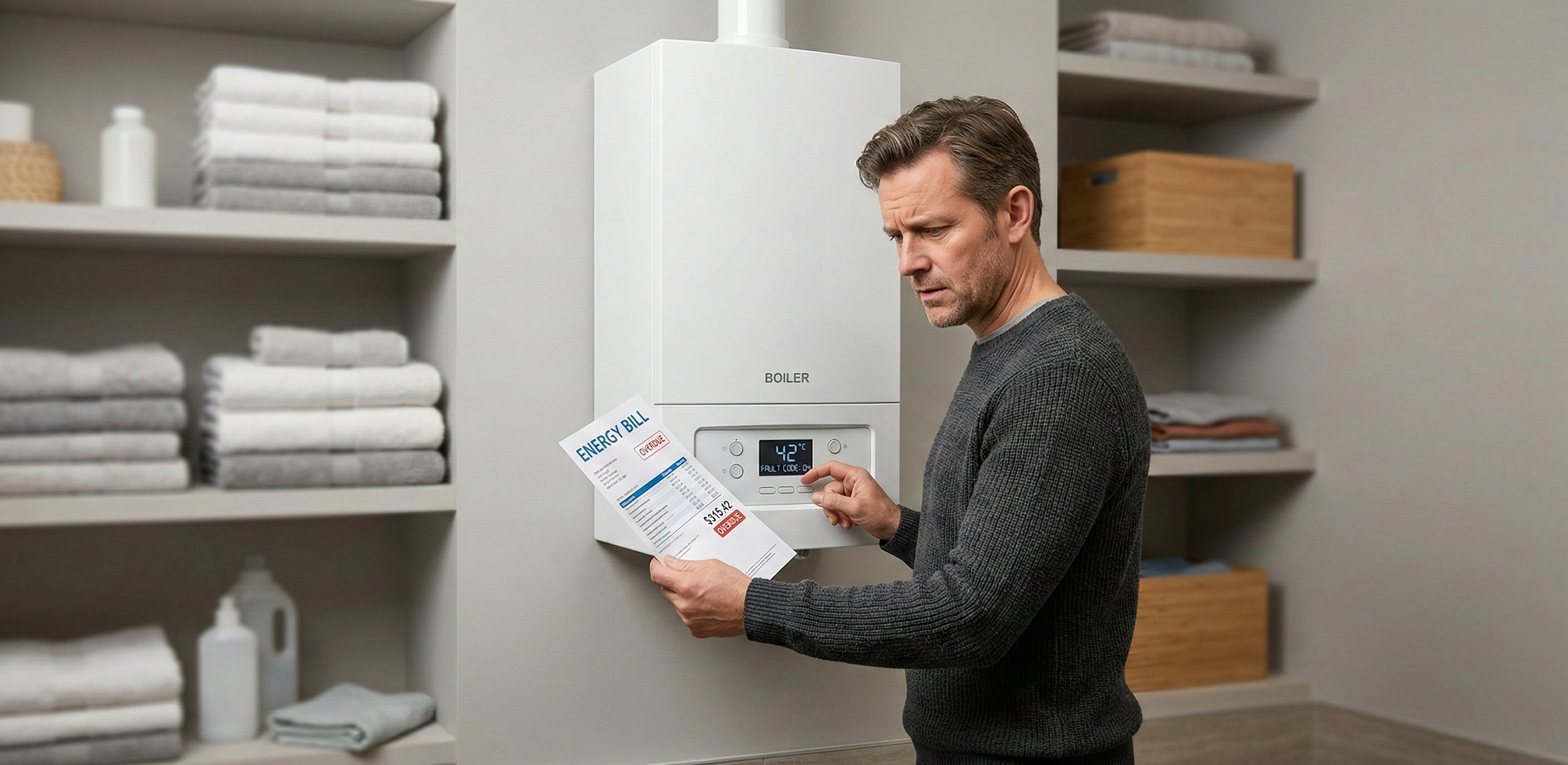
Hardness in water comes mainly from dissolved calcium and magnesium. While these minerals aren’t visible, their effects are unmistakable. Limescale forms wherever water is heated or left to dry.
Typical signs include:
Over time, limescale narrows pipes from the inside, reducing flow and increasing pressure on your plumbing system. What feels like a cosmetic issue quickly becomes a costly one.
So, is your well water hard or soft? The answer depends entirely on local geology. As groundwater travels through layers of limestone, chalk or dolomite, it dissolves calcium and magnesium. The deeper or more mineral-rich the aquifer, the harder the water tends to be.
Unlike municipal supplies, private wells are not centrally treated. That’s why hardness levels can vary greatly even between neighbouring properties. Seasonal changes, rainfall and groundwater movement can also influence mineral content.
The only way to know for sure is to test your water. Many homeowners are surprised to discover just how hard their borehole water really is.
A common question is: is hard well water safe to drink? In most cases, yes. Calcium and magnesium are essential minerals and pose no health risk at typical concentrations.
However, “safe” doesn’t mean “problem-free”. Very hard water can cause digestive discomfort for some people and may aggravate skin dryness or eczema. More importantly, the real damage happens in your home: scale-covered heating elements, clogged pipes and inefficient appliances.
That’s why treating hard well water isn’t about health alone – it’s about protecting your house, your comfort and your budget.
If you’re wondering how to soften borehole water, the key is choosing a solution that works reliably for private wells.
Basic sediment filters remove sand or rust, but they do nothing against dissolved hardness minerals. To truly tackle limescale, you need targeted treatment. The most effective options include:
For wells with multiple water issues, a system that handles everything in one step is usually the smartest choice.
Ecosoft offers premium softeners for well water designed specifically for the challenges of private supplies. Our systems don’t just soften water – they deliver a complete, worry-free upgrade for your home.
With Ecosoft well-water softeners and advanced filter media, you benefit from:
Maintenance is refreshingly simple: every few months, you just top up the regeneration salt and, if applicable, the filter media. The system handles the rest automatically.
Imagine showering without chalky residue on your skin. Laundry that’s soft again. Appliances that last longer and use less energy. With softened water, everyday routines simply feel better.
By treating hard well water properly, you protect your home from hidden damage and enjoy smoother water from every tap – day after day. Ecosoft gives you that peace of mind, without complicated maintenance or guesswork.