
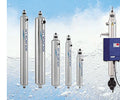
How to Maintain Your Wedeco Aquada UV System: A Step-by-Step Guide
6 min reading time
6 min reading time
Regular maintenance of your Wedeco Aquada UV disinfection system is essential to ensure effective water disinfection and maintain optimum system performance.
Over time, UV lamps lose their effectiveness, while mineral deposits and other contaminants can accumulate on the quartz sleeve, reducing the amount of UV light reaching the water.
To keep your system operating efficiently, it is important to inspect and maintain the UV lamp and quartz sleeve at the recommended intervals.
In this guide, we'll walk you through the process of safely removing, cleaning and replacing these components.
Before carrying out any maintenance, make sure the UV system is completely isolated and depressurised.
Follow these steps:
Disconnect the power: Unplug the system from the electrical supply before beginning any work.
Shut off the water supply: Close the incoming water supply to the UV reactor.
Release system pressure: Open a downstream cold-water tap to relieve pressure within the plumbing.
Allow the lamp to cool: Leave the UV lamp for approximately 5–10 minutes before handling it.
Always prioritise safety when working with electrical equipment and pressurised water systems.
Once the system is safely isolated, you can remove the UV lamp.
Disconnect the lamp connector: Gently rotate the transparent electrical connector to release it from the raised section of the reactor headpiece, then carefully pull it away.
Remove the UV lamp: Release the retaining clips or catching tabs, where fitted, and carefully withdraw the lamp straight out of the reactor.
Handle with care: Avoid touching the glass surface of the lamp with bare fingers. Oils and residue from your skin can leave deposits on the glass and potentially affect performance.
As a general maintenance recommendation, the UV lamp should be replaced approximately every 12 months, equivalent to around 8,000–9,000 operating hours.
Although the lamp may continue to glow beyond this period, its UV output gradually deteriorates. This means it may no longer provide the required level of water disinfection.
Replacing the lamp annually helps maintain consistent UV performance and effective water treatment.
The quartz sleeve protects the UV lamp while allowing ultraviolet light to pass through and disinfect the water.
Over time, mineral scale, iron, manganese and other deposits can build up on its surface. If left untreated, these deposits can reduce UV transmission and compromise disinfection performance.
Carefully unscrew the reactor headpiece and remove it together with the quartz sleeve.
Take particular care when handling the sleeve. Hold both the headpiece and quartz sleeve securely to prevent the glass from slipping out, becoming damaged or breaking.
If the sleeve is still in good condition, it can usually be cleaned and reused.
Follow these steps:
Inspect the sleeve for mineral deposits, staining or discolouration.
Use a mild acidic cleaning solution, such as white vinegar or a suitable descaling product like CLR, to remove accumulated deposits.
Apply the solution using a soft, lint-free cloth.
Rinse the sleeve thoroughly with clean water to remove all cleaning residue.
Inspect the glass to ensure it is completely clean and transparent.
Important: The quartz sleeve must allow UV light to pass through without obstruction. If it is scratched, etched, damaged or cannot be restored to a clear condition, it should be replaced.
As a general guideline, the quartz sleeve should be replaced approximately every two years, or sooner if it becomes damaged or heavily stained.
Whenever the sleeve is removed for cleaning or replacement, inspect the associated O-rings and seals.
It is good practice to replace worn or damaged O-rings and use the appropriate seal kit during servicing to help prevent leaks and maintain a reliable seal.
Once the UV lamp and quartz sleeve have been cleaned or replaced, the system can be reassembled.
Follow these steps carefully:
1. Reinstall the quartz sleeve
Carefully position the cleaned or replacement quartz sleeve back into the reactor, ensuring the O-rings are correctly seated. Secure the headpiece according to the manufacturer's instructions.
2. Reinstall the UV lamp
Gently slide the UV lamp straight into the quartz sleeve. Avoid forcing it or allowing it to knock against the glass.
3. Reconnect the electrical connector
Push the transparent lamp connector back onto the reactor headpiece and ensure it is correctly positioned and secured.
4. Restore the water supply
Slowly reopen the incoming water supply and carefully inspect the reactor and connections for any signs of leakage.
5. Restore the electrical supply
Once you are satisfied that there are no leaks, reconnect the system to the electrical supply.
6. Flush the water lines
Open a downstream cold-water tap and allow the water to run for a few minutes to flush any trapped air from the plumbing.
7. Reset the maintenance timer
If your Wedeco Aquada model includes a maintenance timer or lamp-life monitoring function, reset it according to the manufacturer's instructions.
Your system should now be ready to return to normal operation.
To help keep your UV disinfection system performing reliably, the following maintenance intervals provide a useful general guide:
| Component | Recommended maintenance |
|---|---|
| UV lamp | Replace every 12 months |
| Quartz sleeve | Clean as required |
| Quartz sleeve replacement | Approximately every 2 years |
| O-rings and seals | Inspect during every service; replace if worn or damaged |
| Electrical connections | Inspect during routine maintenance |
| System operation | Check regularly for alarms, leaks and performance issues |
Always refer to the manufacturer's instructions for the specific Aquada model installed, as maintenance requirements and replacement intervals may vary.
Routine maintenance is essential for maintaining the effectiveness and reliability of your Wedeco Aquada UV disinfection system.
By replacing the UV lamp annually, keeping the quartz sleeve clean and inspecting seals and connections, you can help ensure your system continues to provide effective UV water treatment.
Regular servicing also helps identify potential problems before they develop into more significant issues, reducing the risk of unexpected downtime and costly repairs.
Remember: A UV lamp that is still glowing does not necessarily mean it is still disinfecting your water effectively. Keeping up with scheduled maintenance is the best way to protect your water treatment system's performance.